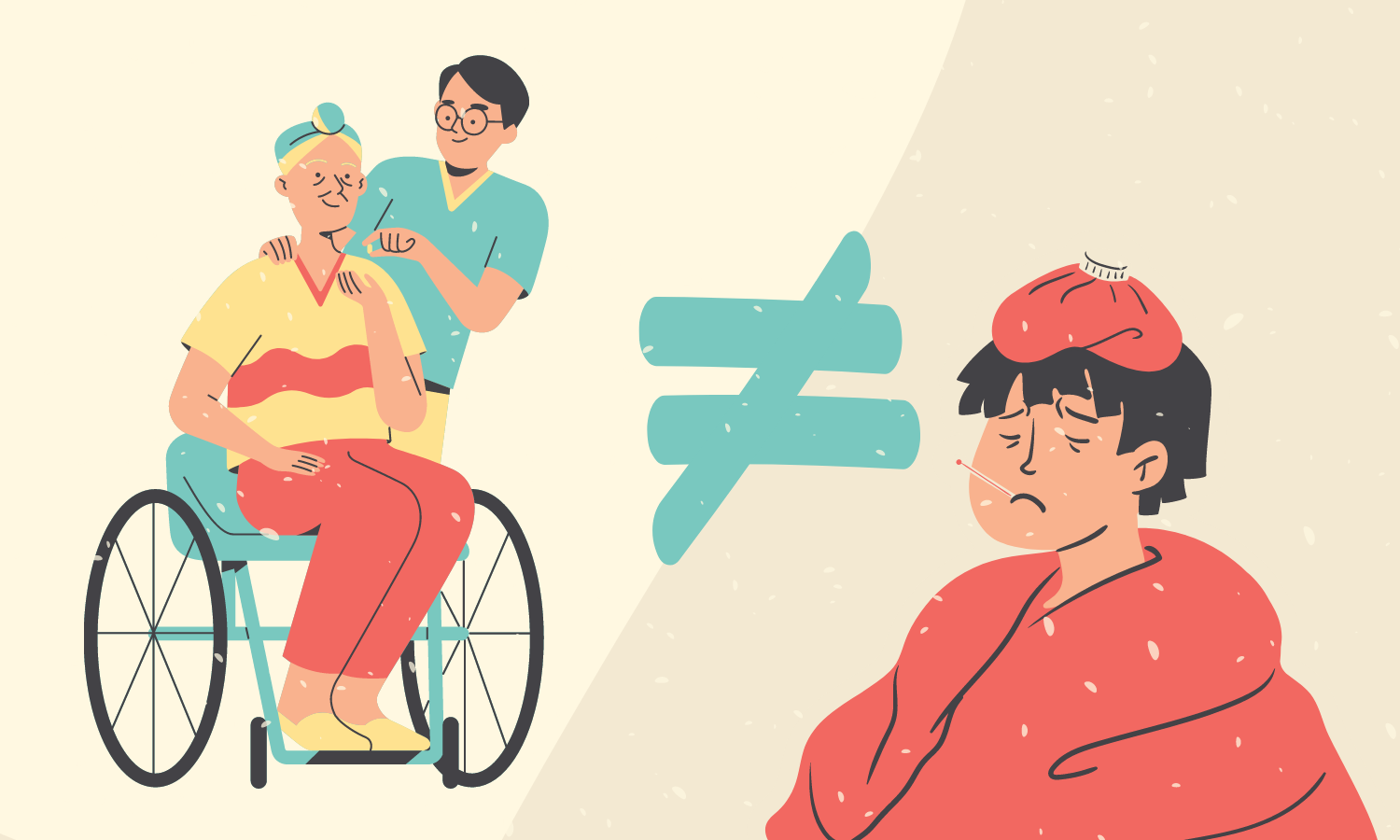

What Income Protection Does Not Cover: A Financial Advisor’s Guide (Australia)
Income Protection insurance is one of the most important personal risk covers for Australians, designed to provide regular income protection payments if you are unable to work due to illness or injury. Whether your cover is held personally as a retail policy, through a group income protection arrangement, or inside a superannuation fund as superannuation insurance, understanding the fine print is critical.
While many people focus on how much they are covered for and whether their premiums are tax deductible, far fewer understand what their income protection policy does not cover. These gaps often only become apparent at insurance claim time, when expectations collide with strict claim conditions.
This expanded guide is written specifically for Australian individuals, couples, families, and self-employed individuals. It explains exclusions, limitations, claim criteria, and structural differences such as agreed value versus indemnity-style cover, Waiting Periods, benefit periods, and definitions like Own Occupation and Any Occupation. It also references how major Australian insurers such as AIA Australia, TAL Life Insurance, Zurich Ezicover, Medibank Private Limited, and ahm Life Insurance typically structure their policies.
What Are Exclusions in Income Protection Insurance?
Exclusions are situations, conditions, or events that an insurance policy specifically does not cover. They are detailed in the Product Disclosure Statement (PDS) and supported by the insurer’s Target Market Determination (TMD), which outlines who the policy is designed for.
Exclusions allow insurers to manage risk, set appropriate insurance premiums, and determine the overall cost of income protection insurance. Unfortunately, many Australians never read these sections or rely solely on online tools such as an insurance calculator or insurance needs calculator, which do not account for individual nuances.
Example Scenario:
An Australian citizen holds income protection cover through their superannuation accumulation account. After sustaining an injury during a high-risk recreational activity, they submit an insurance claim online via the fund’s Member Online portal. The claim is declined because the activity was excluded under the group policy, something clearly stated in the PDS but overlooked at setup.
Common Exclusions in Income Protection
Summary Table of Common Exclusions
| Exclusion Category | Generally Not Covered Example |
|---|---|
| Pre-existing conditions | Chronic back pain |
| Self-inflicted injuries | Suicide attempt |
| Substance abuse | Intoxication-related injuries |
| Criminal activities | Injury during a burglary |
| Pregnancy/Childbirth | Normal pregnancy |
| War/terrorism | War zone injuries |
| Hazardous activities | Skydiving accident |
| Elective surgeries | Cosmetic surgery |
3.1 Pre-existing Medical Conditions
Pre-existing medical conditions are one of the most significant exclusions in income protection insurance. These refer to symptoms, illnesses, or injuries that existed before policy commencement or during a defined look-back period.
Insurers require full disclosure and may rely on GP reports, specialist letters, and other medical evidence when assessing claims. Failure to disclose conditions—even unintentionally—can result in declined claims or policy cancellation. This applies across retail policy structures and superannuation insurance held through industry or retail funds.
3.2 Self-inflicted Injuries
Most income protection policies exclude claims arising from intentional self-harm or suicide attempts. These exclusions are applied strictly, regardless of mental health circumstances, and form part of standard claim conditions across the Australian market.
3.3 Substance Abuse and Alcohol
Illness or injury caused by misuse of alcohol or drugs is typically excluded. Claims may be declined if blood alcohol levels exceed legal limits or if non-prescribed substances are detected. Even prescribed medication misuse may affect eligibility for monthly benefit payments.
3.4 Participation in Criminal or Illegal Acts
Any injury sustained while participating in criminal or illegal activities is excluded. This includes scenarios where Centrelink payments or other benefits may also be impacted due to unlawful conduct.
3.5 Pregnancy, Parental Leave and Childbirth
Normal pregnancy and childbirth are generally excluded from income protection cover. Income protection insurance is not designed to replace income during Parental leave, leave without pay, or planned time off work.
Some policies offer features such as Parental Leave Premium Waiver or Premium Pause, but these do not provide income protection payments during parental leave itself. Complications arising from pregnancy may be assessed separately under medical advice.
3.6 Acts of War and Terrorism
Claims arising from war, terrorism, or civil unrest are almost always excluded. This is relevant for Australian citizens and holders of Subclass 444 visas who travel or work internationally.
3.7 Risky or Hazardous Activities and Occupational Rating
High-risk sports and dangerous recreational activities are commonly excluded unless disclosed and accepted. Your Occupational rating also plays a role. Certain occupations may attract exclusions, premium loadings, or limited benefits.
3.8 Mental Health Exclusions and Limitations
Many policies limit mental health claims to shorter benefit periods, commonly two years. While cover has improved, these limitations remain standard across both retail and group income protection arrangements.
3.9 Partial Disability and Total Permanent Disability Interactions
Definitions of partial disability vary significantly. Some policies reduce benefits if you can earn income in any capacity. Interaction with Total Permanent Disability (TPD) cover can also impact claim outcomes and benefit eligibility.
3.10 Travel and Overseas Exclusions
Income protection cover may cease or be restricted while overseas. Some insurers require you to return to Australia to continue receiving monthly benefit payments.
3.11 Other Standard Exclusions
Elective procedures, cosmetic surgery, and claims without objective medical evidence are generally excluded. Retraining expenses may also be limited or excluded unless specifically included in the policy.
Policy Limitations: When Coverage Is Reduced or Ends
Beyond exclusions, policies include limitations such as:
- Waiting Periods before benefits commence
- Benefit periods limited to two years, five years, or to age 65
- Caps on income replacement
- Indexation of claim benefits
- Interaction with Centrelink payments
- Effects on Superannuation Guarantee contributions
Income protection held inside super often has additional restrictions due to superannuation law.
Strict Policy Definitions and Claim Denials
Key definitions such as Own Occupation versus Any Occupation are critical. A claim may fail if you do not meet the insurer’s exact claim criteria, even if you are medically unable to work in your usual role.
Premium structures such as stepped premiums, Waiver of Premium, and features like Contribution replacement benefit should also be understood upfront.
Industry Variation: Why Every Policy Is Different
Policies differ significantly between insurers including AIA Australia, AIA Vitality, TAL Life Insurance, Zurich Ezicover, and others. Group policies, unitised cover, self-insured schemes, and retail policies all operate differently.
Step-by-Step Guide: How to Read and Interpret Policy Exclusions
- Locate the exclusions section in your Product Disclosure Statement.
- Review Target Market Determination alignment.
- Understand claim forms, supporting documents, and medical evidence requirements.
- Seek professional advice before relying on online support articles or browser-based tools.
FAQs: Income Protection Exclusions
Are income protection payments taxable?
Yes. Income protection payments are generally treated as assessable income and taxed by the Australian Taxation Office.
Is income protection tax deductible?
In many cases, insurance premiums for income protection held outside super are tax deductible.
Can I claim if I stop work voluntarily?
No. Voluntary resignation, parental leave, or leave without pay is not covered.
Practical Tips to Avoid Unpleasant Surprises
- Read your Product Disclosure Statement in full
- Use calculators as a guide only
- Update insurers when circumstances change
- Seek tailored advice rather than relying on generic information
Conclusion
Income protection insurance plays a vital role in protecting your financial wellbeing, but only when you understand its limitations. Knowing what is excluded, how claims are assessed, and how benefits interact with tax, superannuation, and other income sources is essential.
Professional advice can help ensure your income protection cover is structured correctly, aligned with your occupation, and appropriate for your broader financial strategy.
Disclaimer: The information provided on this blog is general in nature and does not constitute specific financial advice. It is intended for educational purposes only and should not be relied upon as a substitute for professional financial advice tailored to your individual circumstances. For personalized financial assistance, please contact Brandon Foster via the contact page.