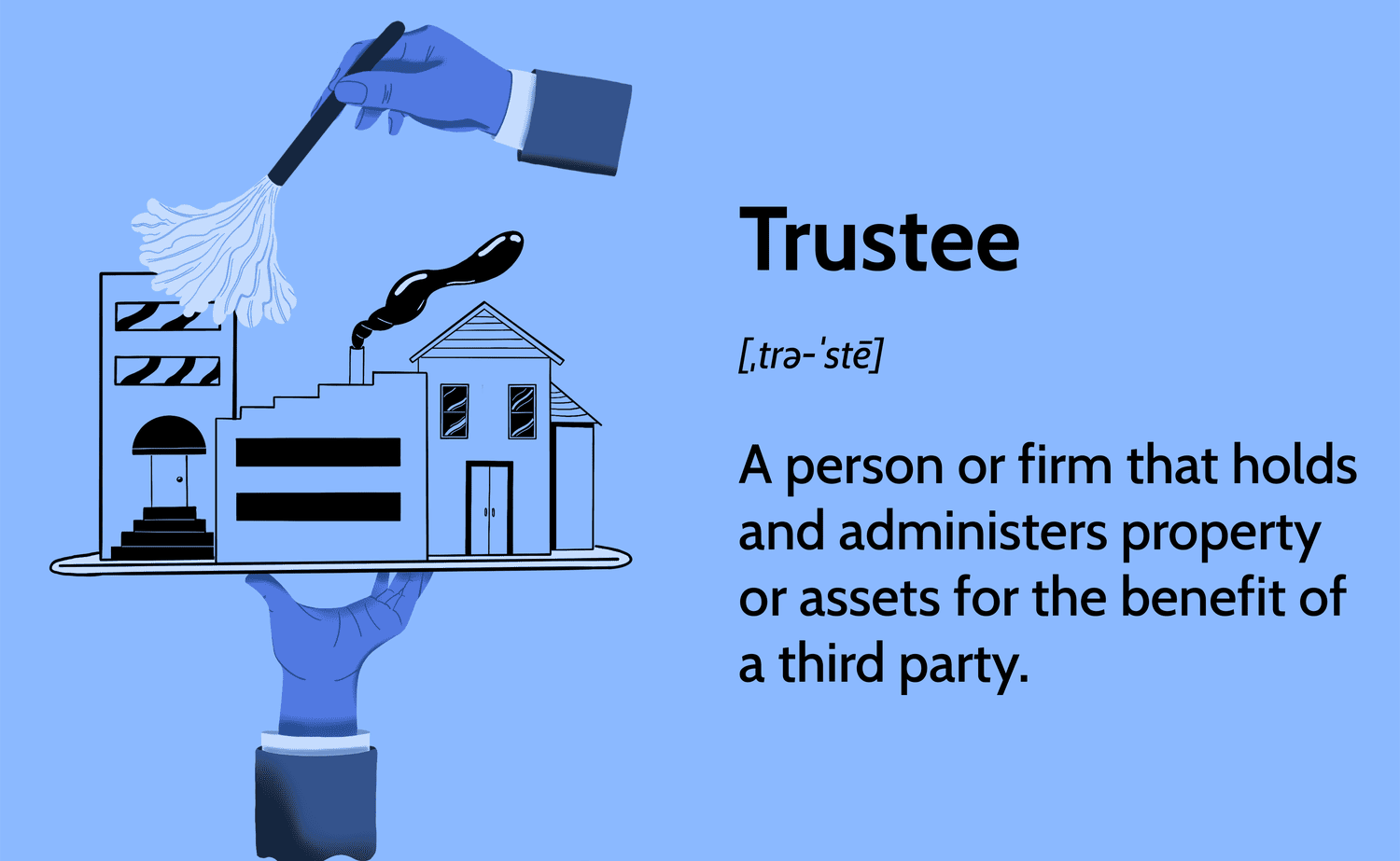
Estate Planning is one of the most important aspects of personal financial management. It ensures that your estate assets, including your family home, investment properties, and superannuation fund, are managed and distributed according to your final wishes. When preparing for Estate Administration, it is essential to understand the legal documents involved, such as a will, trust deed, and trust agreement. Each of these plays a unique role in determining the legal ownership of trust property and estate assets.
A trust is a legal document that establishes a fiduciary relationship where one party (the trustee) holds and manages trust assets for the benefit of another (the beneficiary). A testamentary trust is a type of trust created by a will and only comes into effect upon the death of the testator. The trust deed and trust terms outline the trustee’s legal obligations to act in good faith, comply with trust law, and manage trust property responsibly. Proper Estate Planning helps reduce disputes, clarifies legal requirements, and ensures smooth Estate Administration for loved ones.
What Is a Trustee of a Will?
A trustee of a will is the person or institution responsible for managing and distributing trust assets contained in a testamentary trust. Unlike living trusts, which are established during a person’s lifetime, a testamentary trust is created within a will and only becomes active once a Grant of Probate, Letter of Testamentary, or Certificate of Appointment of Estate Trustee has been issued by the court. The trustee has a fiduciary duty to administer the trust in line with trust law, the trust deed, and the trust documents.
Trustees may be individuals, such as family members familiar with family trees and family branches, or they may be professionals such as an estate attorney, corporate trustee, or a Public Trustee through a Trust Company. Regardless of who is chosen, trustees must always adhere to their fiduciary duty and act in good faith to manage trust funds, trust investments, and trust liabilities.
How Does a Trustee Differ from an Executor or Personal Representative?
While both executors and trustees are vital in Estate Administration, their duties differ significantly.
Executor vs. Trustee: Key Differences
| Category | Executor | Trustee |
|---|---|---|
| When Role Begins | After death, once probate process starts | At death (for testamentary trust) or earlier if trust pre-exists |
| Duties | Estate Administration: pay debts, inheritance tax, organise funeral arrangements, manage probate assets | Manage trust assets, administer trust funds, distribute according to trust terms |
| Duration of Role | Typically ends after probate document process is complete | Can last years or even a lifetime, depending on trust terms |
| Oversees | Entire deceased estate, probate assets, inheritance payments | Only trust property and trust investments |
Executors oversee the deceased estate, ensuring all inheritance tax, capital gains tax, and taxation returns are settled. They must secure probate assets, manage funeral arrangements, liaise with mortgage providers, and work with government institutions for registering your death. Once probate is granted, trustees manage only the trust assets outlined in the trust deed and trust agreement.
Quick FAQ: An executor may also be appointed as a trustee, provided they understand the distinct responsibilities. Executors focus on Estate Administration, while trustees manage trust funds, trust liabilities, and trust investments in line with trust law.
Trustee’s Roles, Powers, and Responsibilities
Trustees carry serious legal and financial obligations, including fiduciary duty. Their responsibilities often extend for years and involve both estate management and asset management. Below is a detailed outline:
- Locating and Securing Trust Assets: Trustees must identify trust property, whether estate assets such as real estate recorded at the Land Registry, superannuation funds, or financial investments held with bank managers.
- Reviewing Trust Documents: Trustees must carefully review the will, trust deed, trust agreement, and other legal documents to understand trust terms.
- Prudent Asset Management: Trustees must follow the prudent investor rule, making sound investment advice decisions, often consulting financial planners for trust investments.
- Tax Filings and Compliance: Trustees must lodge income tax returns, trust tax returns, capital gains tax, and other taxation returns, ensuring compliance with the tax system and tax law. A tax identification number may be required for the trust.
- Recordkeeping: Maintaining trust records and financial accounts is vital. This often requires accounting expertise and the ability to produce records for court procedures or human verification.
- Distributing Trust Funds: Trustees must distribute inheritance payments in accordance with trust terms and final wishes, always maintaining their fiduciary relationship with beneficiaries.
- Communication with Beneficiaries: Trustees should keep beneficiaries updated through statements and clear communication. This helps prevent disputes and preserves trust.
- Handling Complex Trusts: Trustees may manage Discretionary trusts, Life interest trusts, Trusts for minors, or Disabled person’s trusts, which require careful interpretation of trust terms.
Summary of Key Trustee Duties
| Role/Task | Description |
| Asset Management | Invest and preserve trust assets per prudent investor rule |
| Distribution of Assets | Fulfil inheritance payments and trust terms |
| Recordkeeping and Reporting | Maintain detailed trust records and accounting expertise |
| Tax Responsibilities | Prepare income tax returns, trust tax returns, and manage taxation returns |
| Beneficiary Communication | Maintain fiduciary relationship through regular updates |
Qualities and Criteria for Selecting a Trustee
When selecting a trustee, reliability, impartiality, and legal and financial knowledge are essential. Considerations include:
- Individual Trustee: Often chosen from family branches or close friends, but may lack expertise in tax advice or trust law.
- Corporate Trustee / Trust Company: Provides professional estate management, impartiality, and expertise in trust investments, trust liabilities, and tax filings.
- Public Trustee: Offers a government-backed option, ensuring compliance with legal requirements.
- Estate Attorney or Financial Planner: Provides professional estate management with deep understanding of trust documents, legal obligations, and the tax system.
Legal and Practical Challenges Faced by Trustees
Trustees often encounter disputes, complex tax filings, and estate management issues. Common challenges include:
- Conflicts Among Beneficiaries: Addressed through open communication and maintaining fiduciary duty.
- Complex Taxation: Handling capital gains tax, inheritance tax, and taxation returns requires accounting expertise and sometimes professional tax advice.
- Legal Liability: Trustees may face liability for breaches of trust law, poor asset management, or misinterpretation of trust documents.
- Court Procedures: When disputes escalate, trustees may face involvement from the Supreme Court, Queensland Public Trustee, or require mediation via Armstrong Legal or Jenkins Legal & Advisory.
Removal of a Trustee: Grounds for removal include breach of trust, incapacity, or conflict of interest. Trustees who fail to meet their fiduciary duty can be replaced by a Successor Trustee.
Grounds and Processes for Trustee Removal
| Grounds for Removal | Process |
| Breach of Trust | Court procedures to petition removal, with evidence of misconduct |
| Incapacity | Supported by medical documents and human verification |
| Conflict of Interest | Demonstrating how conflict impacts fiduciary relationship and trust law |
Trustee FAQ Section
- Can a trustee also be a beneficiary? Yes, unless trust terms prohibit it. This is common in trusts for minors or Disabled person’s trusts.
- How long does a trustee serve? Until trust terms and final wishes are fulfilled, or until replaced by a Successor Trustee.
- What happens if a trustee can no longer serve? A Successor Trustee named in the trust documents or appointed by the court will take over.
- Can trustees be held liable for mistakes? Yes. Trustees can be held legally and financially accountable under Trusts Act 2019 and Trustee Act 1925.
- How is a trustee compensated? Compensation depends on trust terms, local laws, or agreements with a corporate trustee or Public Trustee.
Disclaimer: The information provided on this blog is general in nature and does not constitute specific financial advice. It is intended for educational purposes only and should not be relied upon as a substitute for professional financial advice tailored to your individual circumstances. For personalized financial assistance, please contact Brandon Foster via the contact page.
« Back to Glossary Index