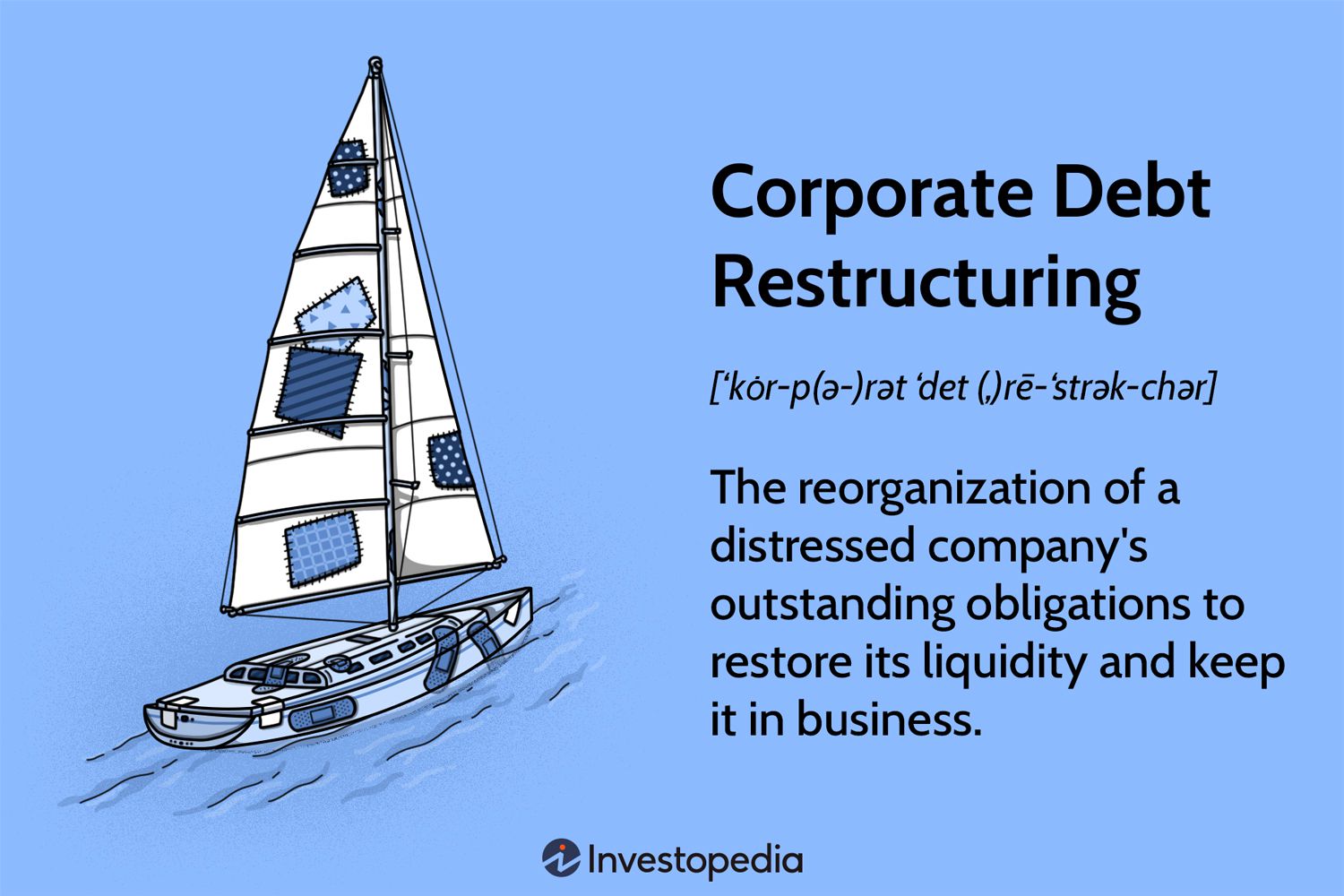
Corporate Debt Restructuring is a strategic approach that companies use when facing financial distress. It involves reorganising debt obligations to ensure financial stability, restore cash flow, and avoid insolvency. Unlike bankruptcy, which often leads to loss of control, debt restructuring focuses on keeping operations viable while addressing creditor demands. For individuals, couples, and families interested in financial education, understanding corporate debt restructuring provides valuable insight into how businesses preserve their business assets, meet financial covenants, and navigate complex loan relationships legislation.
Understanding Corporate Debt Restructuring
Debt restructuring is distinct from corporate restructuring, which may involve operational or organisational changes. Instead, it concentrates specifically on debt obligations, interest rates, loan terms, and repayment structures. Common strategies include:
- Debt-for-Equity Swap: Creditors convert debt into equity, reducing company debt while gaining ownership stakes.
- Debt Repayment Plans: Adjusting maturity dates and loan terms to improve cash flow projections.
- Debt Forgiveness: Creditors may agree to write off a portion of the debt in a distressed debt restructuring.
For example, a manufacturing firm hit by a downturn may extend maturity dates and restructure its repayment plan. This improves cash flow and credit rating while avoiding Chapter 11 bankruptcy. Debt restructuring can occur both in court and through out-of-court restructuring, where companies negotiate directly with creditors.
Purpose and Benefits
The goals of Corporate Debt Restructuring include maintaining financial stability, preserving company property, and preventing insolvency. Benefits include:
- Improved Cash Flow: By modifying loan terms and interest payments, companies can free up cash flow for operations.
- Credit Rating Protection: Effective restructure plans can preserve or restore credit scores.
- Preservation of Business Assets and Jobs: Safeguarding operations supports employment and entitlements of employees.
- Avoidance of Insolvency Proceedings: Debt restructuring often prevents Chapter 13 or Chapter 11 bankruptcy, minimising legal costs and stigma.
In some cases, asset sales and loan consolidation are used to reduce debt quickly, while loan refinancing or loan restructuring provides longer-term financial solutions.
Types of Corporate Debt Restructuring
Table: Types of Restructuring
| Type | Description | Pros | Cons |
|---|---|---|---|
| Rescheduling Debt | Extending loan maturity dates | Improves immediate cash flow | Lengthens loan term |
| Reduction in Interest | Negotiating lower interest rates | Reduces financial distress and payments | Requires creditor approval |
| Debt-to-Equity Swap | Converting debt into equity | Lowers debt obligations, aligns creditor interests | Dilutes ownership for shareholders |
| Standstill Agreements | Halting repayments temporarily | Provides time for restructuring plan | Not a permanent debt solution |
| Asset Sales | Selling company property or non-core assets | Generates quick liquidity | Reduces long-term asset base |
| Refinancing | Debt refinancing or loan refinancing | May offer better interest rates | Dependent on credit market conditions |
Other advanced strategies include callable bonds adjustments, bondholder haircuts, and debt settlement agreements with creditor settlements. Engaging a Fractional CFO or Corporate Restructuring Officer can help manage complex negotiations with affected creditors, public sector institutions, or a banking group.The Corporate Debt Restructuring Process
Step-by-Step Guide
- Assessment and Planning: Review corporate finance records, cash flow projections, credit score, and conduct a financial assessment. Advisors such as ASIC Registered Liquidators, bankruptcy trustees, or debt relief companies like Maxiron Capital or Mackay Goodwin may assist.
- Stakeholder Engagement: Involve affected creditors, connected companies, company directors, and trustee services. Platforms like Ansarada can streamline creditor negotiations.
- Negotiation & Restructure Plan: Draft a restructuring proposal statement considering taxation laws, corporation tax, and share capital impacts. This may include debt refinancing or loan consolidation.
- Documentation & Legal Compliance: Formalise agreements in compliance with SEC regulations, Fair Debt Collection Practices Act, U.S. Bankruptcy Code, reg 5.3B.22, and regulation 5.3B.25. Ensure compliance with Australian frameworks such as Safe Harbour and Company Register obligations.
- Implementation & Monitoring: Execute the restructure plan, track loan covenants, and preserve business assets. Use advisors such as Macmillan Lawyers and Advisors, McCracken Alliance, or tax specialists like Sean Watts for tax implications.
Sample Timeline
- Month 1-2: Assessment & Planning
- Month 3: Stakeholder Engagement
- Month 4-5: Negotiations with creditors, drafting restructure plan
- Month 6: Legal documentation and creditor settlements
- Month 7+: Implementation, loan relationships compliance, and monitoring
Legal and Regulatory Frameworks
Different jurisdictions have legal frameworks that guide Corporate Debt Restructuring. For example:
Key Legal Frameworks by Jurisdiction
| Country | Legal Framework | Key Features |
|---|---|---|
| USA | Chapter 11 Bankruptcy | Court-supervised debt restructuring, creditor settlements |
| USA | Chapter 13 | Structured repayment plan, often for smaller corporations |
| India | Insolvency & Bankruptcy Code | Debt restructuring and insolvency resolution |
| UK | Company Voluntary Arrangement | Allows restructuring agreements with creditor approval |
Australian companies may use Voluntary Administration, Creditors Voluntary Liquidation, or Safe Harbour provisions to implement debt restructuring. Legal costs can be minimised by pursuing out-of-court restructuring options. Compliance with loan relationships legislation, income tax assessment act, and taxation laws ensures ongoing financial stability.
Risks and Challenges
Obstacles
- Creditor Dissent: Some creditors may resist restructuring plan proposals.
- Failed Negotiations: Without agreement, alternatives such as Bankruptcy Alternatives or court-mediated agreement may be necessary.
- Legal Risks: Non-compliance with SEC regulations, ASIC Connect requirements, or other laws and regulations can jeopardise success.
Mitigation
- Involve AFR Top 100 Accounting Firms, Domenic Calabretta, or experienced debt relief companies.
- Use trustee services and bankruptcy trustees for compliance.
- Seek advice from tax specialists on corporation tax and fiscal policy impacts.
Corporate Debt Restructuring vs. Other Approaches
Comparison Table
| Approach | Pros | Cons |
|---|---|---|
| Corporate Debt Restructuring | Preserves business assets, avoids insolvency | Requires creditor cooperation, loan covenants |
| Bankruptcy (Chapter 11/13) | Provides legal protection, debt relief | High legal costs, stigma, loss of control |
| Operational Restructuring | Improves efficiency and business solutions | Doesn’t address immediate debt obligations |
Best Practices and Expert Insights
- Engage with creditors early to reduce creditor demands and avoid distressed situations.
- Prepare realistic cash flow projections aligned with financial covenants.
- Use technology platforms like Ansarada for seamless communication.
- Work with trusted advisors such as Mackay Goodwin, Macmillan Lawyers and Advisors, or Maxiron Capital.
- Learn from past mistakes—unrealistic financial assessments and weak communication often derail restructuring.
Frequently Asked Questions (FAQ)
- What qualifies a company for Corporate Debt Restructuring?
Companies in a distressed situation with viable business assets often qualify. - Can all debts be restructured?
Not always. Creditor settlements and legal frameworks determine feasibility. Callable bonds and personal assets may be excluded. - How long does the process take?
Timelines vary, but most restructuring spans 6–12 months, depending on the acceptance period and creditor cooperation. - What if creditors refuse?
Options include Bankruptcy Alternatives, court-mediated agreements, Voluntary Administration, or Creditors Voluntary Liquidation. - Will restructuring affect employees?
The restructure plan aims to preserve entitlements of employees, but operational restructuring may impact staff.
Conclusion
Corporate Debt Restructuring is a vital process for companies in financial distress. Through effective restructure plans, creditor settlements, and adherence to laws and regulations, businesses can preserve assets, stabilise cash flow, and maintain financial stability. Working with professional advisors such as trustees, tax specialists, and financial experts ensures successful debt restructuring outcomes.
Resources and Further Reading
Disclaimer: The information provided on this blog is general in nature and does not constitute specific financial advice. It is intended for educational purposes only and should not be relied upon as a substitute for professional financial advice tailored to your individual circumstances. For personalized financial assistance, please contact Brandon Foster via the contact page.
« Back to Glossary Index