
Introduction
What is Capital Gains Tax (CGT)?
Capital Gains Tax (CGT) is a tax on the profit you make when selling an asset that has increased in value, such as property or land. In Australia, CGT is governed by Australian tax law and administered by the Australian Taxation Office (ATO). It applies to both individuals and businesses that sell CGT assets, including real estate. This tax is triggered only when you sell the asset, meaning the gain is realised at the time of sale.
When it comes to land subdivision, CGT implications can be complex. Whether you are subdividing your family home, a primary residence, or an investment block, understanding your tax liabilities is essential. The moment you sell or transfer ownership of a subdivided block, you may be liable to pay CGT depending on the property’s cost base, sale price, and whether exemptions such as the main residence exemption or Principal Place of Residence (PPR) relief apply.
Why Subdivisions Trigger CGT Liabilities
Subdividing property creates new titles from the original land parcel, and in most cases, increases the property’s market value. When any of these subdivided blocks are sold, a commercial transaction occurs that may trigger CGT. Property owners must also consider other costs such as legal fees, stamp duty, council approvals, and surveyor fees, which all influence the cost base and potential CGT payable.
For those involved in Property Subdivision Projects, including property development, understanding the tax implications early can lead to smarter tax planning decisions and improved tax efficiency.
Purpose of the Blog
This blog is written for Australian homeowners, investors, and developers who want to understand how to avoid or reduce Capital Gains Tax when subdividing land. Whether you are preparing to sell your family property, build on an adjacent block, or explore a development application, this guide will help you navigate Australian tax law and make informed financial decisions.
Understanding Capital Gains Tax on Subdivision
Definition and Application
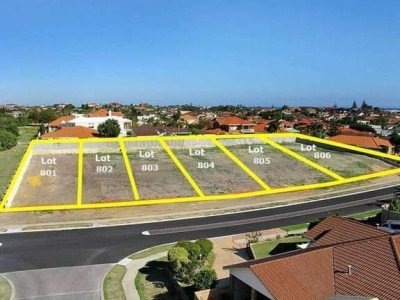
When land is subdivided, each new lot is treated as a separate CGT asset. CGT applies to the profit made from selling any subdivided land. It is calculated as the difference between the sale price and the cost base, which includes the original purchase cost, legal costs, surveying and drainage fees, council approval costs, and other capital expenses. According to Taxation Determination TD 97/3, the ATO provides clear guidance on how to apportion the cost base among newly created lots following a subdivision.
When CGT is Assessed
CGT is generally assessed at the point of sale of the subdivided blocks, not at the time of subdivision. However, if the subdivision forms part of a property development or is considered a commercial transaction, it could also attract Goods and Services Tax (GST) for GST purposes. You may need to report this on your activity statement and consider whether the land is held for investment or trading.
Factors Affecting CGT
- Cost Base: Includes purchase price, legal fees, council approvals, surveying costs, water and drainage works, and other related improvements.
- Main Residence Status: If the land includes your main residence or family home, the main residence CGT exemption or principal residence exemption may apply.
- Holding Period: If you’ve held the property for more than 12 months, you may qualify for the CGT discount or Capital Gains Tax discount, reducing your tax liability by up to 50% for individuals.
- Intent and Use: Whether the subdivision is for personal or property development purposes determines if profits are treated as capital gains or ordinary income.
Table: Typical Scenarios Where CGT Applies in Land Subdivision
| Subdivision Scenario | CGT Triggered? | Notes |
|---|---|---|
| Subdivide but not sell | No | CGT is only realised upon sale |
| Sell part of main residence | Sometimes no | Main residence exemption or PPR relief may apply |
| Subdivide and develop for sale | Yes | May be treated as property development income |
Key Strategies to Avoid or Reduce CGT on a Subdivision
Strategy 1: Main Residence Exemption / Principal Place of Residence (PPR) Relief
The main residence exemption is one of the most effective strategies to reduce or avoid CGT. If your primary residence is part of the original land parcel, the sale of that portion may be exempt from CGT. However, if you move out and then sell the subdivided land later, you may be able to use the four-year extension rule under ATO guidelines.
Step-by-Step: Determining Eligibility for the Main Residence Exemption
- Confirm the property is your Principal Place of Residence (PPR).
- Check that the land size meets ATO exemption criteria (generally two hectares or less).
- Ensure the sale occurs within the four-year extension rule period if applicable.
- Obtain a private ruling from the ATO if your situation is complex.
Strategy 2: Holding for Long-Term CGT Discount
Holding your subdivided land for more than 12 months before selling can qualify you for the Capital Gains Tax discount. This CGT discount can reduce your taxable gain by 50%, depending on your ownership structure and whether the asset is on the capital account.
Strategy 3: Itemising Costs to Increase Your Cost Base
Including all allowable expenses in your cost base reduces your overall capital gains. Make sure to include:
- Legal fees and conveyancing costs
- Surveyor fees
- Council application and approval fees
- Water, drainage, and infrastructure costs
- Stamp duty on acquisition
Strategy 4: Structuring Ownership and Tax Planning
Using the right ownership structure, such as trusts or Special Purpose Vehicles (SPVs), can help manage tax liabilities and improve tax efficiency. Consult tax accountants or firms like McKinley Plowman (9301 2200), Archer Gowland Redshaw, or Aero Accounting Group for expert opinion on property-related tax issues.
Strategy 5: Land Amalgamation and Title Management
If you’re amalgamating the titles or converting multiple lots into one before subdivision, consider the tax implications under Australian tax law. A development application can alter how the ATO views the transaction, so professional guidance is crucial.
Strategy 6: Private Rulings and Professional Advice
Obtaining a private ruling from the ATO or consulting with Wang Cheng or other tax experts ensures clarity on your subdivision strategies. Professional input can help determine whether your activity is subject to GST or income tax instead of capital gains.
Subdivision and Australian Tax Considerations
Subdividing property may involve both CGT and GST purposes depending on your intent and level of activity. If you are engaging in regular Property Subdivision Projects, the ATO may classify you as carrying on a business, which changes how your gains are taxed.
- Goods and Services Tax (GST): If you sell newly developed lots, you may need to register for GST and report on your activity statement.
- Trading vs Investment: If your intent is profit-driven, your gains could be treated as income from a commercial transaction.
- Stamp Duty: May apply when transferring ownership after amalgamating the titles or registering new lots.
- Development Application Costs: These costs may form part of your cost base for CGT calculations.
Step-by-Step Guide to a Tax-Efficient Subdivision Sale
- Conduct Market Research: Understand potential sale proceeds and tax implications before starting your project.
- Consult Tax Accountants: Seek professional advice from qualified firms or advisors experienced in property and registering for GST.
- Structure Ownership: Choose between individual, trust, or company ownership to optimise tax efficiency.
- Document Everything: Keep detailed records of legal costs, surveying, water and drainage, and council approvals.
- Assess CGT Exemptions: Determine whether the main residence exemption or principal residence exemption applies.
- Plan Sale Timing: Time your sale strategically to align with favourable tax years or market conditions.
- Seek Expert Opinion: Consider private rulings and advice from McKinley Plowman, Aero Accounting Group, or other tax accountants.
Common Pitfalls and Audit Triggers
- Failing to Document Costs: Not tracking legal fees, surveying costs, or council approvals can inflate your tax bill.
- Incorrectly Claiming Exemptions: Misapplying the main residence CGT exemption can lead to penalties.
- Poor Tax Planning: Not engaging a qualified advisor may cause you to miss out on the CGT discount or misclassify income.
- Trading vs Investment Confusion: Selling subdivided blocks without clear intent documentation may lead the ATO to assess income as property development rather than capital gains.
Frequently Asked Questions (FAQs)
1. Does subdividing my property automatically trigger CGT?
No. CGT is triggered only when you sell the subdivided blocks, not when you subdivide the original land parcel.
2. Can I avoid CGT if I live in one of the subdivided homes?
Possibly. If the property remains your main residence or Principal Place of Residence, you may qualify for the main residence exemption.
3. Do I need to pay GST when subdividing land?
You may need to register for GST if your subdivision is considered a commercial transaction or part of a property development project.
4. Can I defer CGT?
Yes. Strategic use of the CGT discount, long-term holding, or installment sales can help defer your capital gains.
Conclusion
Understanding how Capital Gains Tax applies to land subdivision in Australia is crucial for any property owner. With the right subdivision strategies, professional guidance, and careful planning, you can minimise your tax liabilities and maximise your sale proceeds. Always seek professional advice to ensure your actions comply with Australian tax law and align with your financial goals.
Disclaimer: The information provided on this blog is general in nature and does not constitute specific financial advice. It is intended for educational purposes only and should not be relied upon as a substitute for professional financial advice tailored to your individual circumstances. For personalized financial assistance, please contact Brandon Foster via the contact page.