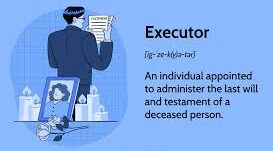
As a financial advisor in Australia, I often encounter clients with questions about estate planning, the probate process, and the crucial role of an Executor of a Will. Understanding what an executor does can help you make informed decisions when planning your own estate or when asked to serve as someone else’s executor. This role extends beyond simply carrying out final wishes – it involves working with the Supreme Court, preparing a final tax return, paying funeral expenses, and ensuring assets such as real estate, superannuation funds, and life insurance policies are properly distributed. In this blog, we’ll explore the responsibilities, challenges, and common questions related to administering estates in Australia.
Introduction
An Executor of a Will is the individual legally appointed to manage and settle a deceased person’s estate according to the will’s instructions and legal requirements. This role ensures that debts, liabilities, and tax obligations are addressed, and that beneficiaries receive their entitlement in accordance with estate planning documents. Executors may need to apply for a grant of probate through the Supreme Court, particularly the Supreme Court of Queensland or Supreme Court of Western Australia, to gain legal authority to act. They may also be involved with letters of administration when no valid will exists.
Executors often deal with government authorities such as the Australian Taxation Office (ATO), financial institutions, and the Registrar of Births, Deaths and Marriages. They may also need to manage bank accounts, credit card debts, and income tax obligations while maintaining clear financial statements.
Key Responsibilities
- Submitting the will to probate and obtaining a Grant of Representation
- Managing estate assets such as real estate, superannuation funds, and insurance policies
- Communicating with beneficiaries and ensuring final wishes are respected
- Settling debt liabilities, including credit card bills and income tax
- Preparing the personal income tax return, trust tax return, and final tax return
- Distributing assets and administering testamentary trusts
- Handling estate management fees, property maintenance, and administrative duties
Understanding the Executor Role
Legal Definition and Appointment
An executor is named in the will by the testator and is confirmed by the probate court once probate is granted. This appointment provides legal authority to administer the estate, which may involve letters of administration if the will is invalid or missing. Legal advice from a professional advisor or will disputes lawyer is often recommended when administering estates that involve complex legal affairs.
Who Can Serve as Executor?
Executors are often trusted family members, friends, or professionals. Trustee organisations, such as the NSW Trustee and Guardian or the Public Trustee, may act where no suitable family member is available. In some family law matters or when supervised contact is needed, the executor may also be supported by a trustee organisation to protect consumer rights and the best interests of beneficiaries.
Authority and Limits
An executor’s authority is broad but not unlimited. They must follow the Succession Act 1981, probate law, and the terms of the will. Executors may need to liaise with financial institutions, government authorities, and legal services while balancing family provision applications, will disputes, or conflicts of interest. They must also remain aware of powers of attorney and other related legal documents.
Table: Executor vs. Other Estate Roles
| Role | Main Responsibilities | Authority Limits |
|---|---|---|
| Executor | Settle estate, follow will, pay debts, lodge tax returns | Limited by will, probate law, and court approval |
| Trustee | Manage trust assets and testamentary trusts | Limited to terms of trust documents |
Main Duties and Responsibilities
Step-by-Step Guide
- Submitting the Will to Probate
Apply for the grant of probate or letters of administration through the Supreme Court. Courts like the Supreme Court of Queensland or the Supreme Court of Western Australia oversee this process, sometimes via online platforms such as the Courts SA portal. - Collecting and Securing Assets
Gather real estate, bank accounts, life insurance policies, superannuation funds, and other financial affairs. Secure land title documents and maintain certified copies of essential papers. - Notifying Beneficiaries and Heirs
Communicate with all beneficiaries about the probate process, final wishes, and the role of the executor. Disputes may arise requiring a deed of Family Arrangement. - Handling Funeral Arrangements
Cover funeral expenses appropriately, ensuring the estate pays these costs in accordance with estate planning and administrative duties. - Notifying Creditors and Settling Debts
Settle credit card balances, debt liabilities, and obligations to the Australian Tax Office. This may include publishing notices and ensuring bankruptcy legislation compliance for insolvent estates. - Filing Tax Returns
Prepare the deceased’s personal income tax return, trust tax return, and final tax return. Ensure the estate has a valid tax file number and settle outstanding income tax obligations. - Appraising and Managing Property
Value estate property, manage property maintenance, and ensure insurance policies remain active. This may include addressing small estate matters or larger estates involving complex assets. - Maintaining Detailed Records
Executors should keep financial statements, certified copies of court documents, and land title documents. Proper record-keeping prevents conflicts of interest and provides transparency. - Distributing Assets
Transfer property and funds in line with the will, administer testamentary trusts, and consult trustee organisations if disputes or family provision applications arise. - Closing the Estate
Seek court approval via the Probate Registry to close the estate after all administrative duties are complete.
Stop-and-Scan Table: Essential Documents for Executors
| Document | Purpose | Where to Obtain |
|---|---|---|
| Death certificate | Legal proof of death | Registrar of Births, Deaths and Marriages |
| Will | Guides asset distribution | Personal records, lawyer |
| Letters of administration | Authorises executor when no valid will | Supreme Court |
| Grant of probate | Confirms executor’s legal authority | Supreme Court Probate Registry |
| Land title documents | Transfer and manage real estate | Land Titles Office |
Challenges Faced by Executors
Common Hurdles
- Navigating legal affairs, family provision applications, or will disputes requiring professional advice or legal services
- Managing ambiguous or outdated wills, sometimes requiring a will disputes lawyer
- Addressing family law disputes, supervised contact, or intervention orders
- Dealing with complex financial affairs including bank accounts, life insurance, and investment decisions on whether to invest money held by the estate
- Managing consumer rights concerns (e.g., door-to-door sales, Do Not Knock stickers) when dealing with estate property
Fiduciary Responsibilities and Risks
Executors must act in the best interests of beneficiaries, exercising diligence, honesty, and transparency. Mishandling assets, delaying tax returns, or failing to pay estate management fees can result in personal liability. Conflicts of interest, breaches of duty, or legal action may arise if the executor fails to comply with the law. Executors may also face scrutiny under the Succession Act 1981 when administering estates.
Executor Compensation
Executor’s commission and compensation vary by state and may be calculated as a percentage of the estate, a fixed amount, or reimbursement for estate management fees. Executors should keep records of time and expenses when administering estates. Courts, such as the Supreme Court of Queensland, may approve executor’s commission where justified.
Step-by-Step Guide: How to Fulfill Executor Duties
Practical Checklist
- Immediately After Death: Secure estate property, obtain the death certificate, and notify the Australian Death Notification Service.
- First Steps in Probate: Submit the will, obtain a grant of probate or letters of administration, and register with the Courts SA portal if required.
- Managing Assets and Debts: Inventory real estate, superannuation funds, and life insurance policies. Notify financial institutions and creditors, ensuring compliance with bankruptcy legislation.
- Communicating with Beneficiaries: Keep lines of communication open. If disputes arise, consider mediation, professional advice, or a deed of Family Arrangement.
- Finalizing and Closing the Estate: File the personal income tax return, trust tax return, and final tax return. Distribute assets, settle accounts, and obtain Probate Registry approval to close the estate.
Executor’s Checklist: Available as a downloadable PDF or table
Frequently Asked Questions (FAQs)
- Can an executor also be a beneficiary?
Yes, executors can also be beneficiaries, and this is common. - What if an executor doesn’t want to serve?
If unwilling, they can renounce their role, allowing an alternate executor, Public Trustee, or trustee organisation such as the NSW Trustee and Guardian to take over. - What is personal liability for executor mistakes?
Executors can be held personally liable for mistakes in estate administration. Obtaining legal advice or consulting a financial planner can reduce risks. - How long does the executor process typically take?
Depending on estate complexity, it can take months to years, especially when the Supreme Court of Queensland or Supreme Court of Western Australia is involved. - What happens if a will is contested?
A contested will may delay the probate process significantly and involve legal services, will disputes lawyers, and family law issues.
Conclusion
Serving as an Executor of a Will is a serious responsibility requiring attention to legal, financial, and administrative duties. Executors interact with the Australian Tax Office, financial institutions, and government authorities while navigating probate law, trust tax returns, and estate property management. Effective estate planning, supported by professional advice, can ease the burden on executors and ensure final wishes are respected. From obtaining a grant of probate to preparing financial statements and addressing legal affairs, executors play a vital role in administering estates with integrity.
Disclaimer: The information provided on this blog is general in nature and does not constitute specific financial advice. It is intended for educational purposes only and should not be relied upon as a substitute for professional financial advice tailored to your individual circumstances. For personalized financial assistance, please contact Brandon Foster via the contact page.
« Back to Glossary Index